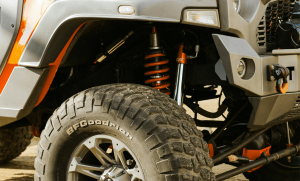
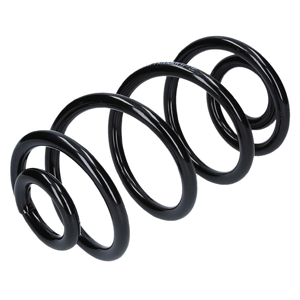
 Rear suspension springs are designed to support the weight of the vehicle and absorb shocks from the road. When the rear wheels encounter bumps, potholes, or uneven surfaces, the springs compress and expand to reduce the impact felt inside the vehicle. This helps maintain a smooth and comfortable ride for passengers. Rear springs also keep the vehicle at the correct ride height, preventing the back end from sagging under the weight of passengers or cargo.
In addition to improving comfort, rear springs play a key role in stability and control. They help keep the rear tyres firmly in contact with the road, which improves traction, braking performance, and overall handling. Rear springs work together with shock absorbers to control movement and prevent excessive bouncing. Common types include coil springs, leaf springs (often used in trucks), and air springs in some modern vehicles. Properly functioning rear springs are essential for safe, balanced, and reliable driving.
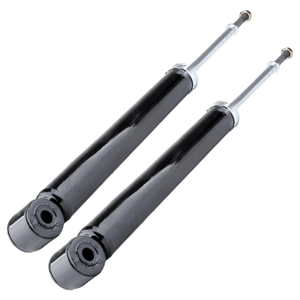 Rear shock absorbers are an essential part of a vehicle’s rear suspension system. Their main job is to control the movement of the springs by reducing excessive bouncing after hitting bumps or uneven roads. When the rear wheels go over a pothole or speed bump, the springs compress and expand, but without shock absorbers, the vehicle would continue to bounce uncontrollably. Rear shocks use hydraulic fluid (and sometimes gas) to absorb and dissipate this energy, helping keep the tyres firmly in contact with the road for better stability and traction.
Why They Matter:
- Improve ride comfort
- Keep tyres stable
- Improve braking performance
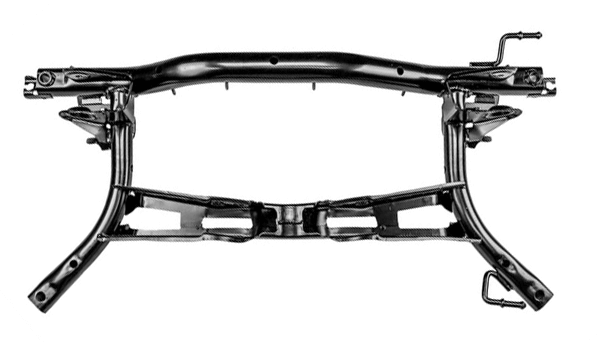
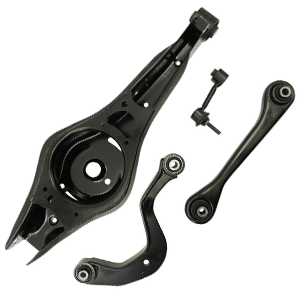 Rear control arms are important suspension components that connect the rear wheels to the vehicle’s axle frame or chassis. Their main job is to control the movement of the wheels as the suspension travels up and down over bumps and uneven roads. Control arms allow the wheels to move vertically while keeping them properly aligned with the body of the vehicle. This ensures stability, smooth handling, and consistent tyre contact with the road surface.
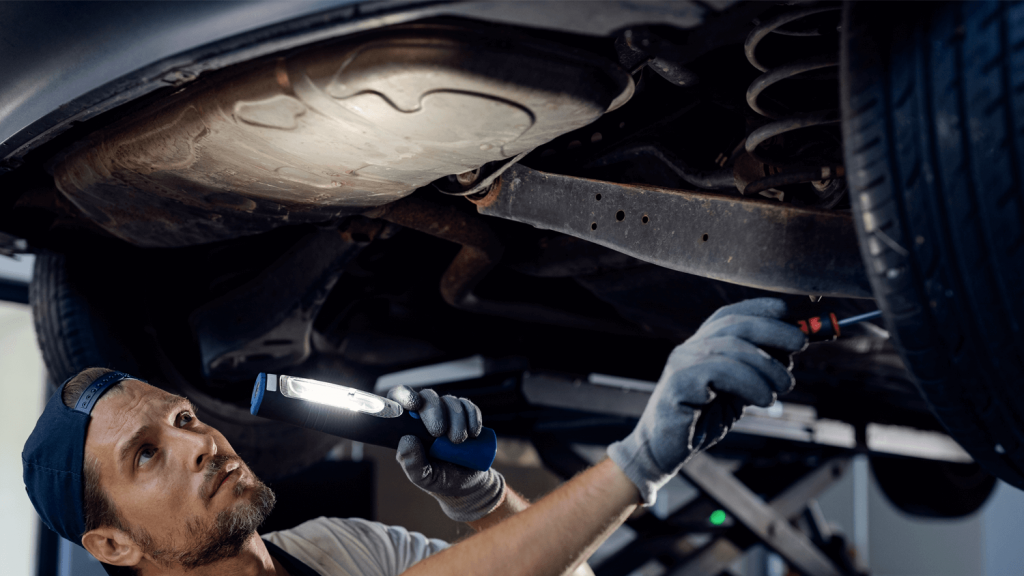
In addition to guiding wheel movement, rear control arms help maintain correct wheel alignment during acceleration, braking, and cornering. They typically use bushings or ball joints at connection points to allow controlled flexibility and reduce vibration. Many modern vehicles use multi-link rear suspension systems with multiple control arms for improved ride comfort and handling precision. If rear control arms become worn or damaged, drivers may notice uneven tyre wear, clunking noises, or poor handling, making regular inspection important for safe driving.
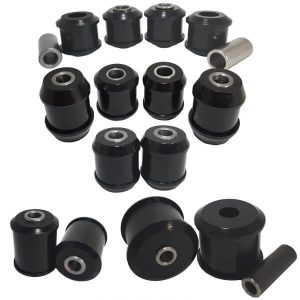 Rear suspension bushes (also called bushings) are small but important components made from rubber or polyurethane that sit between metal suspension parts. Their main purpose is to cushion and isolate movement between components such as control arms, the rear axle, and the vehicle’s frame. By absorbing vibrations and reducing metal-to-metal contact, rear bushes help provide a smoother, quieter ride. They also allow controlled flexibility, which lets the suspension move properly when driving over bumps or uneven surfaces.
In addition to improving comfort, rear suspension bushes play a key role in maintaining proper wheel alignment and vehicle stability. When bushes wear out or crack over time, they can cause clunking noises, uneven tire wear, poor handling, and a loose or unstable feeling at the rear of the vehicle. Because they are constantly exposed to road stress, heat, and moisture, bushes naturally deteriorate and require periodic inspection. Replacing worn rear suspension bushes helps restore ride quality, improve handling, and ensure safer driving performance.
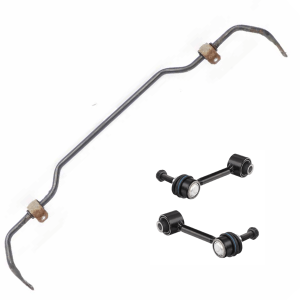 The rear anti-roll bar, also known as a rear stabilizer bar or sway bar, is a suspension component designed to reduce body roll when a vehicle turns. It connects the left and right sides of the rear suspension using a metal bar that twists slightly during cornering. When the vehicle leans to one side, the anti-roll bar resists that movement, helping keep the car more level and stable. This improves handling, especially during sharp turns or sudden lane changes, and enhances overall driver control.
Rear drop links (also called sway bar links) connect the anti-roll bar to the suspension components, such as control arms or struts. These links allow the anti-roll bar to transfer force between the two sides of the suspension effectively. Drop links usually contain small ball joints or bushes that allow controlled movement while maintaining stability. If drop links wear out, drivers may notice knocking noises from the rear suspension, reduced stability in corners, or a loose feeling when driving. Properly functioning anti-roll bars and drop links are essential for balanced handling and safe cornering performance.