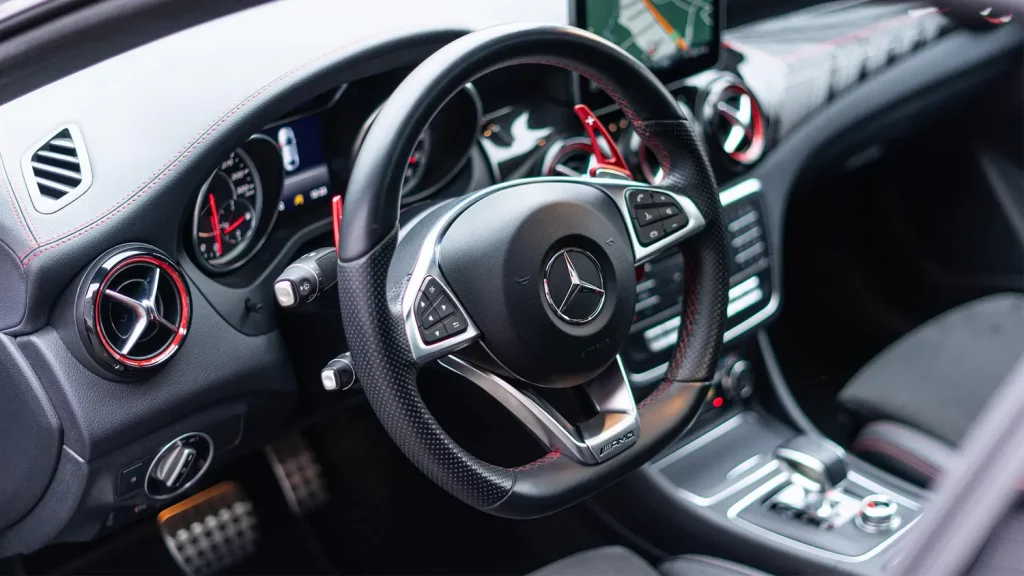
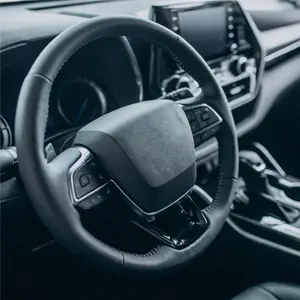
 The steering wheel is the primary control device that allows the driver to guide a vehicle safely and accurately. It is connected to the steering column and steering mechanism, enabling the driver to turn the front wheels left or right. When the steering wheel is rotated, that motion is transferred through mechanical or electronic components to change the vehicle’s direction. Its circular design provides better grip and smooth handling, making it easier to apply controlled force while driving.
In modern vehicles, the steering wheel does much more than just control direction. It often includes multifunction buttons for audio, cruise control, phone connectivity, and driver assistance systems. Many vehicles also feature power steering, which reduces the effort required to turn the wheel, improving comfort and safety. Advanced models may include tilt and telescopic adjustment, heating functions, and even paddle shifters, making the steering wheel an essential component for both control and convenience in today’s automobiles.
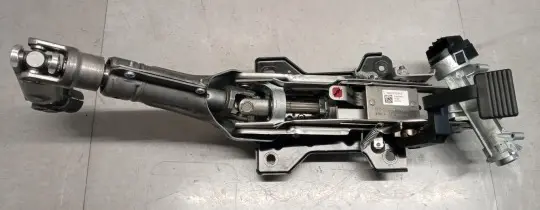 The steering column is the component that connects the steering wheel to the steering gear mechanism (Rack & Pinion). It serves as a rotating shaft that transfers the driver’s input from the steering wheel down to the steering system, allowing the front wheels to turn. Inside the column are important parts such as the steering shaft, bearings, and universal joints, which ensure smooth and precise motion. The steering column also houses wiring for controls mounted on the steering wheel, such as the horn, audio buttons, and airbag system.
In modern vehicles, the steering column is designed with both comfort and safety in mind. Many cars feature tilt and telescopic adjustment, allowing drivers to position the steering wheel for better ergonomics and control. For safety, most vehicles use a collapsible steering column that compresses during a collision, reducing the risk of injury to the driver. This combination of mechanical function, integrated controls, and safety engineering makes the steering column a critical part of the vehicle’s steering system.
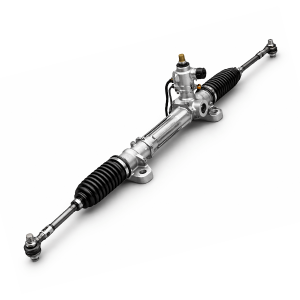 The rack and pinion steering system is the most commonly used steering mechanism in modern vehicles. It consists of two main components: a circular gear called the pinion and a flat, toothed bar called the rack. When the driver turns the steering wheel, the pinion gear rotates and moves the rack from side to side. This linear motion is then transferred through the tie rods to turn the front wheels left or right. The design is simple, compact, and provides precise steering control, making it ideal for passenger cars and small vehicles.
One of the main advantages of a rack and pinion system is its responsiveness and efficiency. Because it has fewer moving parts compared to older steering systems, it offers better steering feel and improved handling. In most modern vehicles, the rack and pinion setup is combined with hydraulic or electric power steering to reduce driver effort. This system not only improves driving comfort but also enhances safety by providing accurate and stable directional control at different speeds.
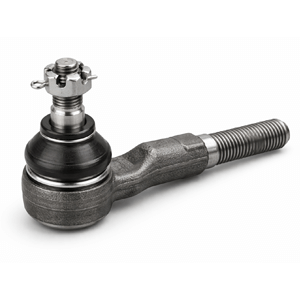 The track rod end (also known as a tie rod end) is a crucial component of a vehicle’s steering system. It connects the steering rack to the steering knuckle at each front wheel. When the driver turns the steering wheel, the steering rack moves left or right, pushing or pulling the track rods. The track rod end then transfers this motion directly to the wheel hub, causing the wheels to turn in the desired direction. This connection allows precise steering control and smooth directional changes.
The track rod end works using a ball-and-socket joint design, which allows flexible movement in multiple directions. This flexibility is important because the wheels move up and down with the suspension while also turning left and right. A protective rubber boot covers the ball joint to keep out dirt and retain lubrication. If the track rod end becomes worn or loose, it can cause poor steering response, uneven tyre wear, and vibration, making regular inspection and maintenance essential for safe driving.
Hydraulic power steering (HPS) works by using pressurised fluid to reduce the effort needed to turn the steering wheel. When the engine is running, it drives a power steering pump that circulates hydraulic fluid from the reservoir through high-pressure hoses to the steering gear. As the driver turns the steering wheel, a rotary control valve inside the steering rack directs the pressurized fluid to one side of a piston. This hydraulic pressure assists in pushing the rack left or right, making it much easier to turn the wheels.
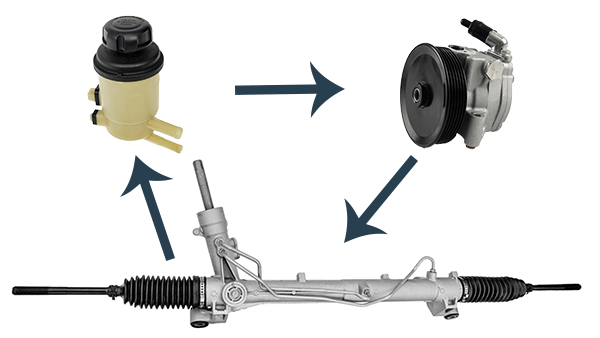 The system continuously adjusts based on steering input. When the steering wheel is centered, the hydraulic fluid flows evenly and no extra assistance is applied. When turning, fluid pressure increases on one side of the piston while returning fluid flows back to the reservoir. This process provides smooth, responsive steering while maintaining road feel. Proper fluid levels and leak-free hoses are essential for the system to function correctly, as low fluid or pump failure can result in heavy steering and unusual noise.
Electric Power Steering (EPS) works by using an electric motor instead of hydraulic fluid to assist the driver in turning the steering wheel. When the driver rotates the steering wheel, torque sensors detect the amount of force being applied. This information is sent to an electronic control unit (ECU), which calculates how much assistance is needed. The ECU then activates an electric motor mounted on the steering column or steering rack to provide additional turning force, making steering smoother and easier.
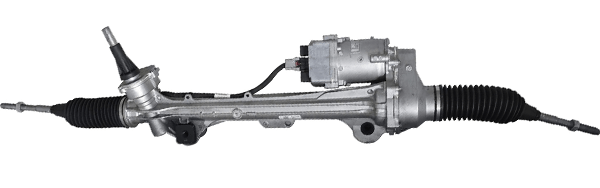 Unlike hydraulic systems, EPS only uses energy when steering input is detected, which improves fuel efficiency and reduces engine load. The system can also adjust steering assistance based on vehicle speed—providing lighter steering at low speeds for parking and firmer steering at high speeds for better stability. Because it eliminates hydraulic pumps, hoses, and fluid, electric power steering requires less maintenance while offering advanced features such as lane-keeping assist and automated steering support.
Electro-Hydraulic Power Steering (EHPS) combines features of both hydraulic and electric power steering systems. Instead of using a belt-driven pump powered by the engine, EHPS uses an electric motor to drive the hydraulic pump. When the driver turns the steering wheel, sensors detect the steering input and signal the control unit to activate the electric motor. The motor then powers the hydraulic pump, which pressurises the steering fluid and sends it to the steering rack to assist in turning the wheels.
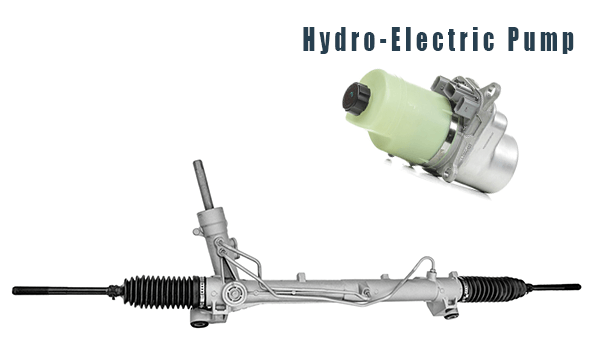 Because the pump is powered electrically rather than mechanically by the engine, EHPS improves energy efficiency and reduces fuel consumption compared to traditional hydraulic systems. The system can adjust the level of assistance based on vehicle speed and driving conditions, providing lighter steering at low speeds and firmer steering at higher speeds. While it still uses hydraulic fluid and components, EHPS offers better control, improved efficiency, and more precise steering feel than conventional hydraulic power steering.