A Beginner's Guide to Front Suspension on a Vehicle
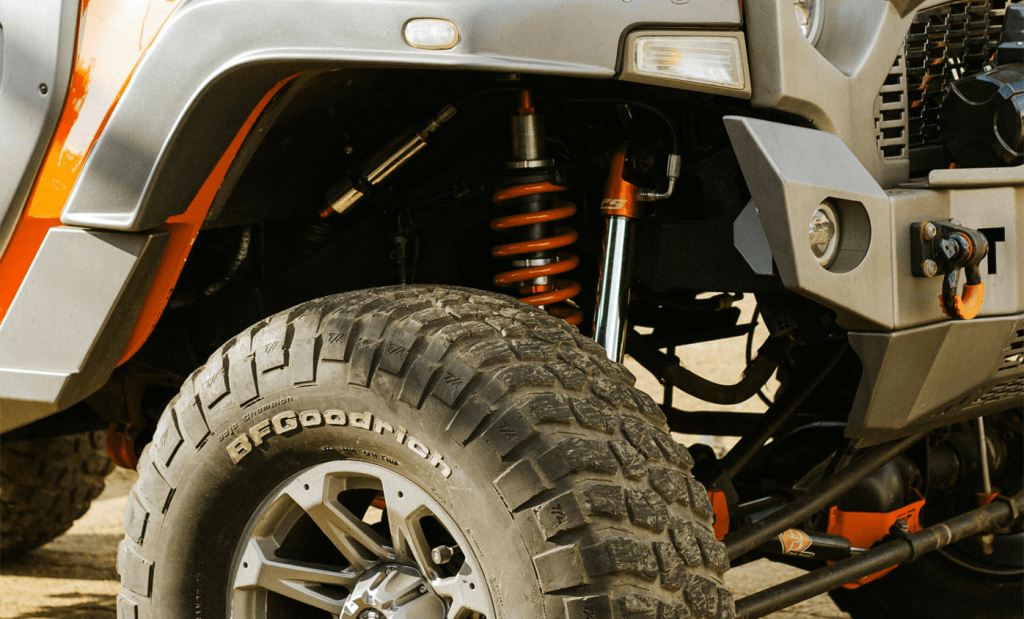
The front suspension system connects the front wheels to the vehicle’s subframe. It allows the wheels to move up and down while keeping them aligned with the road surface.
It helps your vehicle:
- Absorb shocks from bumps and potholes
- Maintain tyre contact with the road
- Support engine weight
- Improve steering and braking stability
- Increase overall driving comfort
Most vehicles place the engine in the front, which means the front suspension handles significant weight.
Main Parts of a Front Suspension System
1. Shocks and Struts
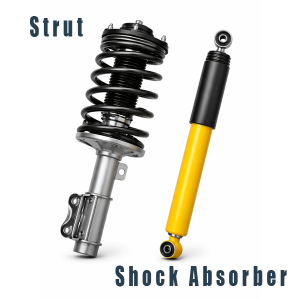
Shocks and struts control spring movement.
Without them, your car would continue bouncing after every bump.
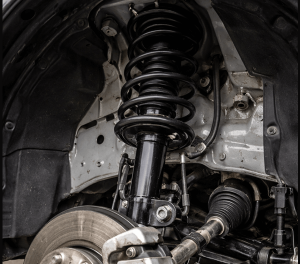
Many modern vehicles use a MacPherson strut system, which combines a shock absorber and spring into one unit.
They help:
- Reduce bouncing
- Improve steering control
- Keep tyres firmly on the road
2. Control Arms
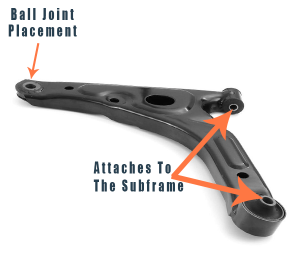
Control arms connect the wheel hub and knuckle to the vehicle’s subframe.
They allow vertical wheel movement while keeping the wheel properly aligned. Without control arms, the wheels would shift unpredictably.
3. Ball Joints
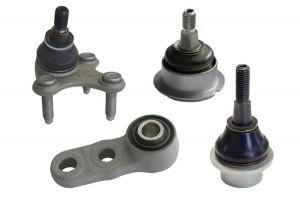
Ball joints act as pivot points between the control arms and wheels.
They allow the wheels to:
- Turn left and right
- Move up and down over bumps
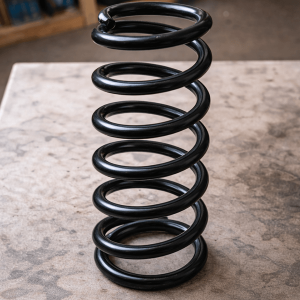
4. Coil Springs
Springs support the weight of the vehicle and absorb road impact.
Most vehicles use coil springs in the front suspension. When you hit a bump, the spring compresses and then expands to smooth out the ride.
When you hit a bump:
- The wheel moves upward
- The spring compresses
- The spring expands back to its normal position
This motion reduces the force transferred to the vehicle frame.
Common Types of Front Suspension
MacPherson Strut Suspension
Many manufacturers use the MacPherson strut design because it:
- Uses fewer parts
- Reduces weight
- Saves space
- Costs less to produce
You’ll find this system in most everyday vehicles.
Double Wishbone / Control Arm
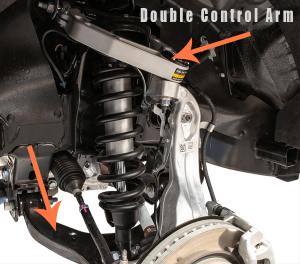
Performance and sports vehicles often use double wishbone suspension.
This design uses two control arms (upper and lower) and provides:
- Better handling
- Improved cornering stability
- More precise wheel control
Why Front Suspension Is Important
Your front suspension affects:
- Steering control
- Braking performance
- Tyre life
- Overall safety
- Driving comfort
Without a properly working suspension, your vehicle would feel unstable and difficult to control.
The front suspension may look complex, but its job is simple: absorb road impact and keep your tyres firmly on the ground.
Understanding the basic parts helps you recognise problems early and maintain your vehicle properly.
Additional Components that are linked to the Front Suspension
- Subframe
- Steering
- Wheels